
William Weiler
It must be spring!
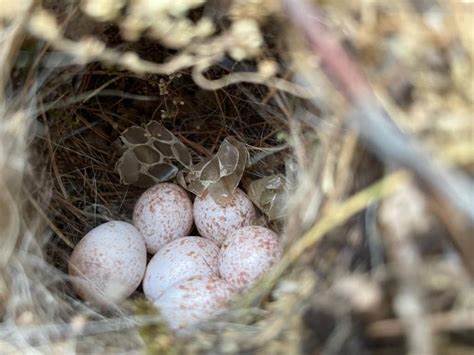
The robins have returned and are settled in. Rain, no snow. Longer lit days, wildflowers galore …and the first rattlesnake somehow found its way in our home! It was safely delivered outside before our cat devoured it indoors.
Desquamation is the process of shedding skin. The word means, “to scrape the scales off fish,” and it represents a healthy process to remove dead skin cells. Every snake, every reptile “desquamates”, as well do spiders, some insects, frogs and humans. We don’t think about it except when our skin peels during the summer.
Snakes shed their skin from 4 to 12 times per year. Since nothing in nature is ever wasted, whatever happens to snake skins? Now this story gets interesting!
When birds incorporate snake skins into their nests, it’s not just for decoration – it’s a calculated strategy to ward off predators. The scaly leavings serve as predator repellent for cavity-nesting birds, scaring their enemies away and ensuring more of the eggs survive.
A recent study from Cornell University reveals that cavity-nesting birds are significantly more likely to use shed snake skins in their nests than birds that build open-cup nests.
This behavior deters predators like small mammals, giving cavity nesters a better chance of protecting their eggs.
Predators of cavity-nesting birds often include small mammals that are also prey for snakes. By placing shed snake skins in their nests, these birds may exploit the natural fear these predators have of snakes.
The question I wonder is whether snakes are actually attracted to bird nests with skins? I can just hear them saying, “There’s where I left that old skin…and oh, what do we have here!”